Blog post12 min read
How I write MiniZincDraft
How I name, structure and format MiniZinc models, and why I am building Zincite to help with that work.

How I name, structure and format MiniZinc models, and why I am building Zincite to help with that work.
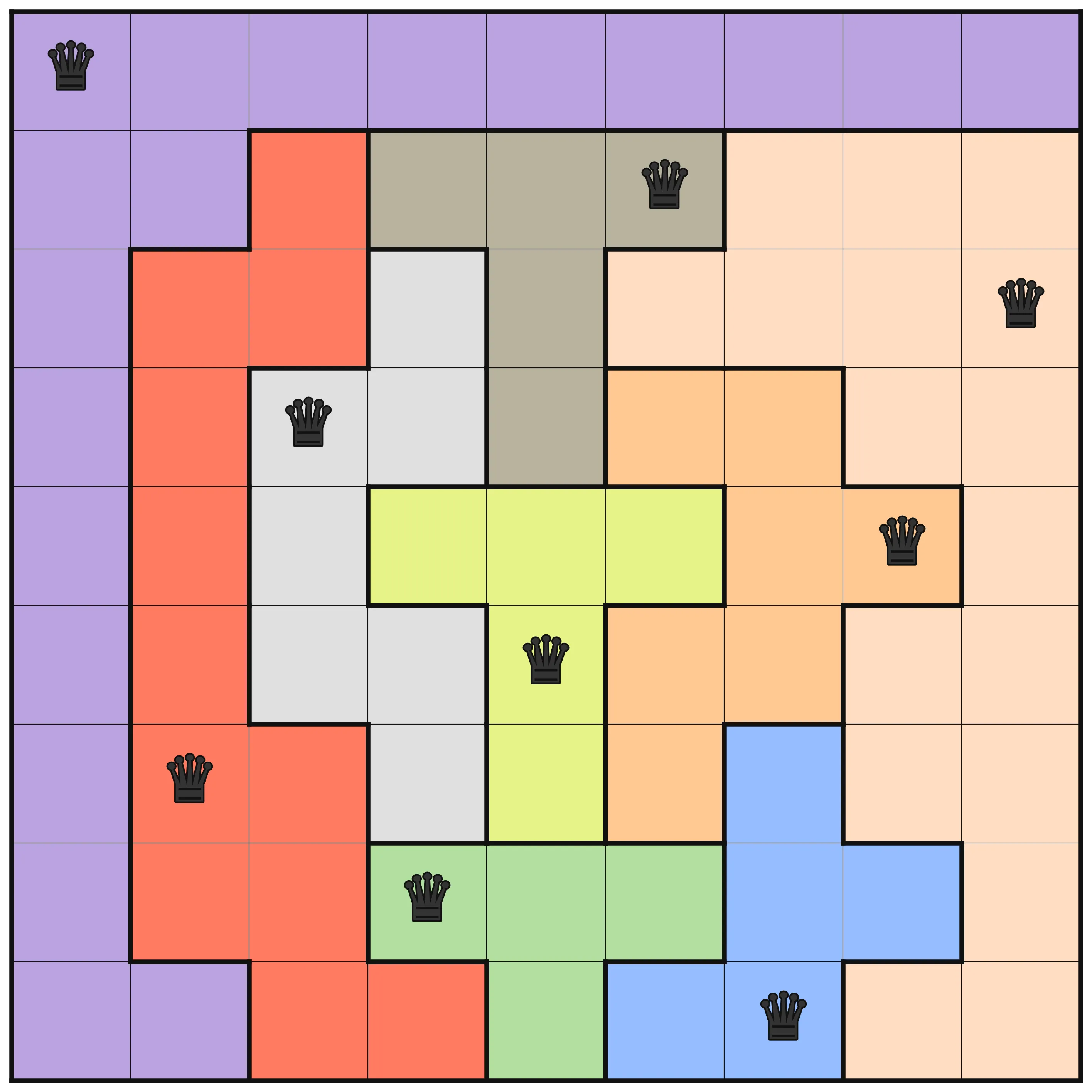
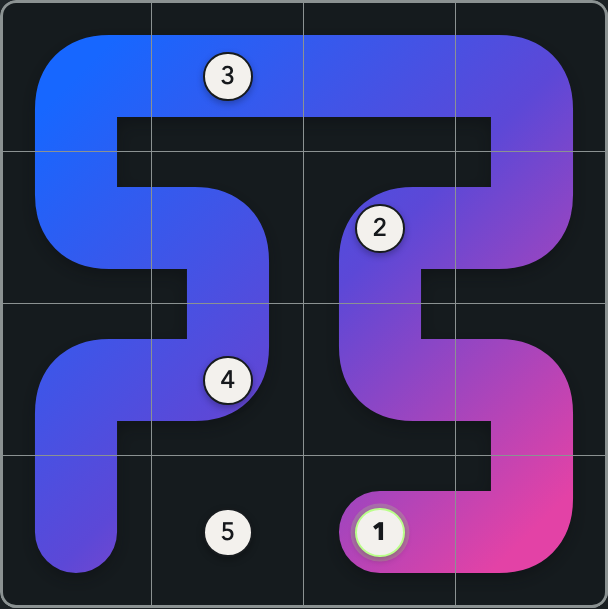
I wanted to play some puzzles produced by my constraint-programming experiments. That small wish grew into nine games.
Gecode 6.3.0 collects seven years of solver and MiniZinc integration work, while 6.4.0 modernizes the build, adds new propagation functionality, and starts a more active release line.

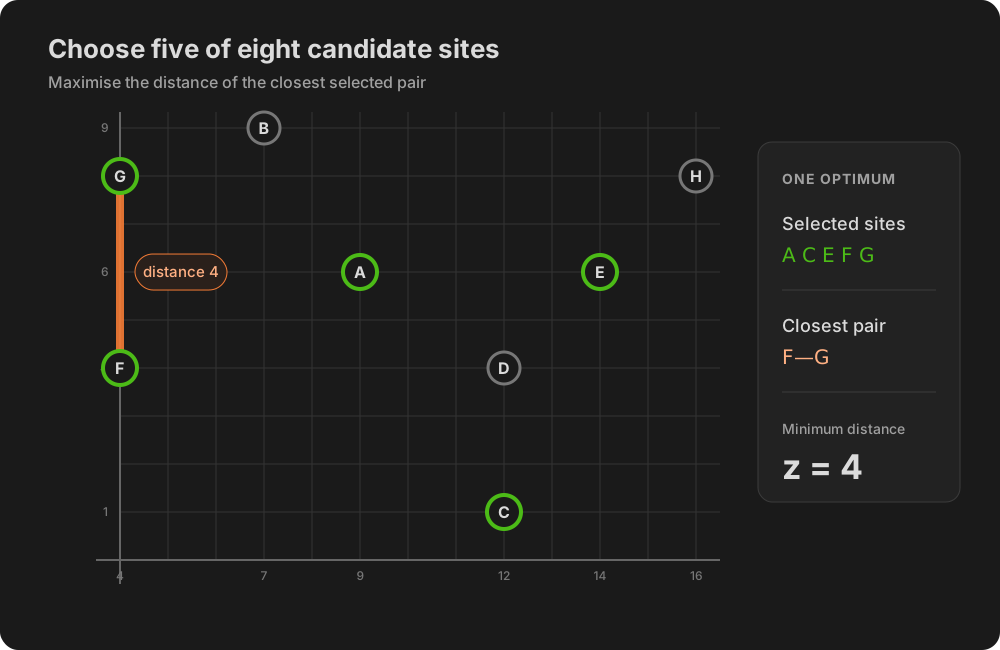
Selecting well-spaced points looks simple, but the usual decomposition creates quadratically many auxiliary variables. This post compares direct Gecode propagators and shows how a matching bound can strengthen them.
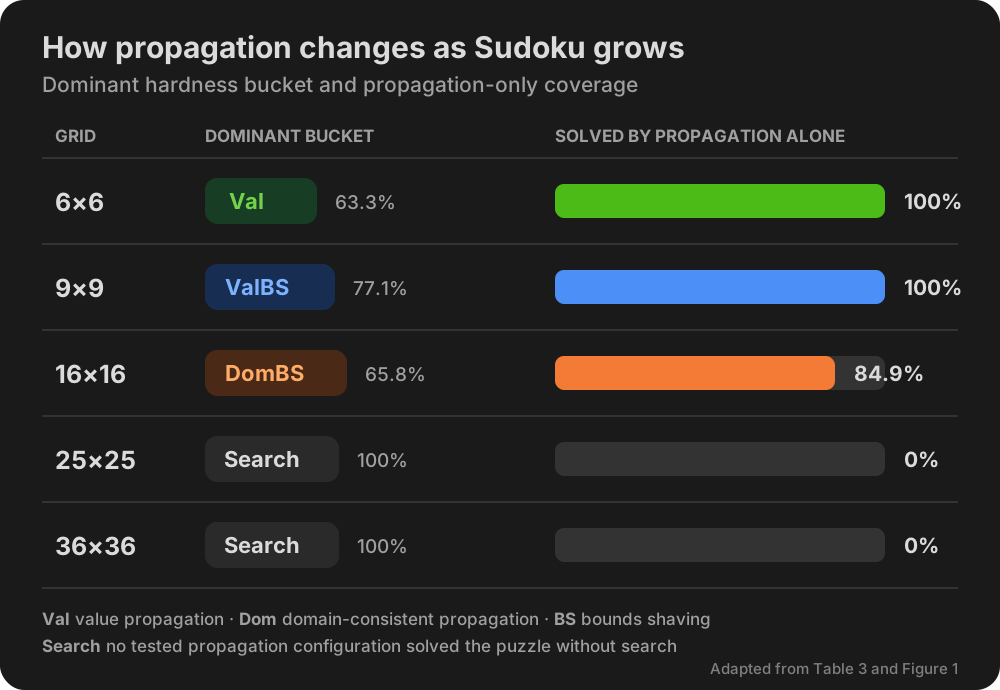
The main result is a public collection of 434,201 generated Sudoku instances, ranging from 6×6 to 36×36. The paper's experiments provide a map of how their propagation-based hardness changes with size.
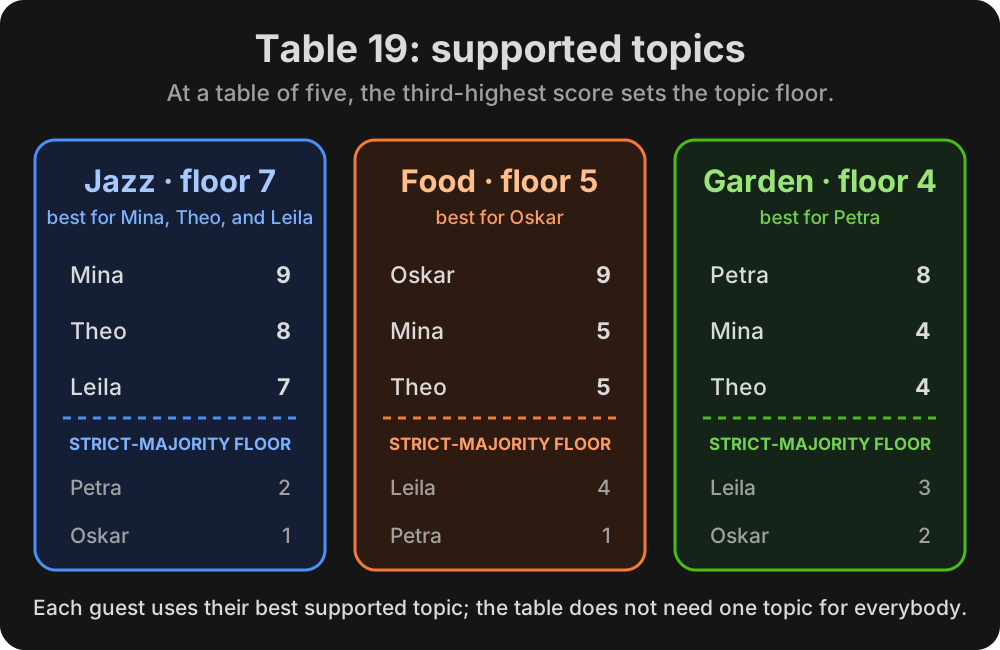
A real wedding seating plan led to a MiniZinc model that balances practical requests with the chance of finding something to talk about. The post shows the central constraints and the mixed-radix objective.
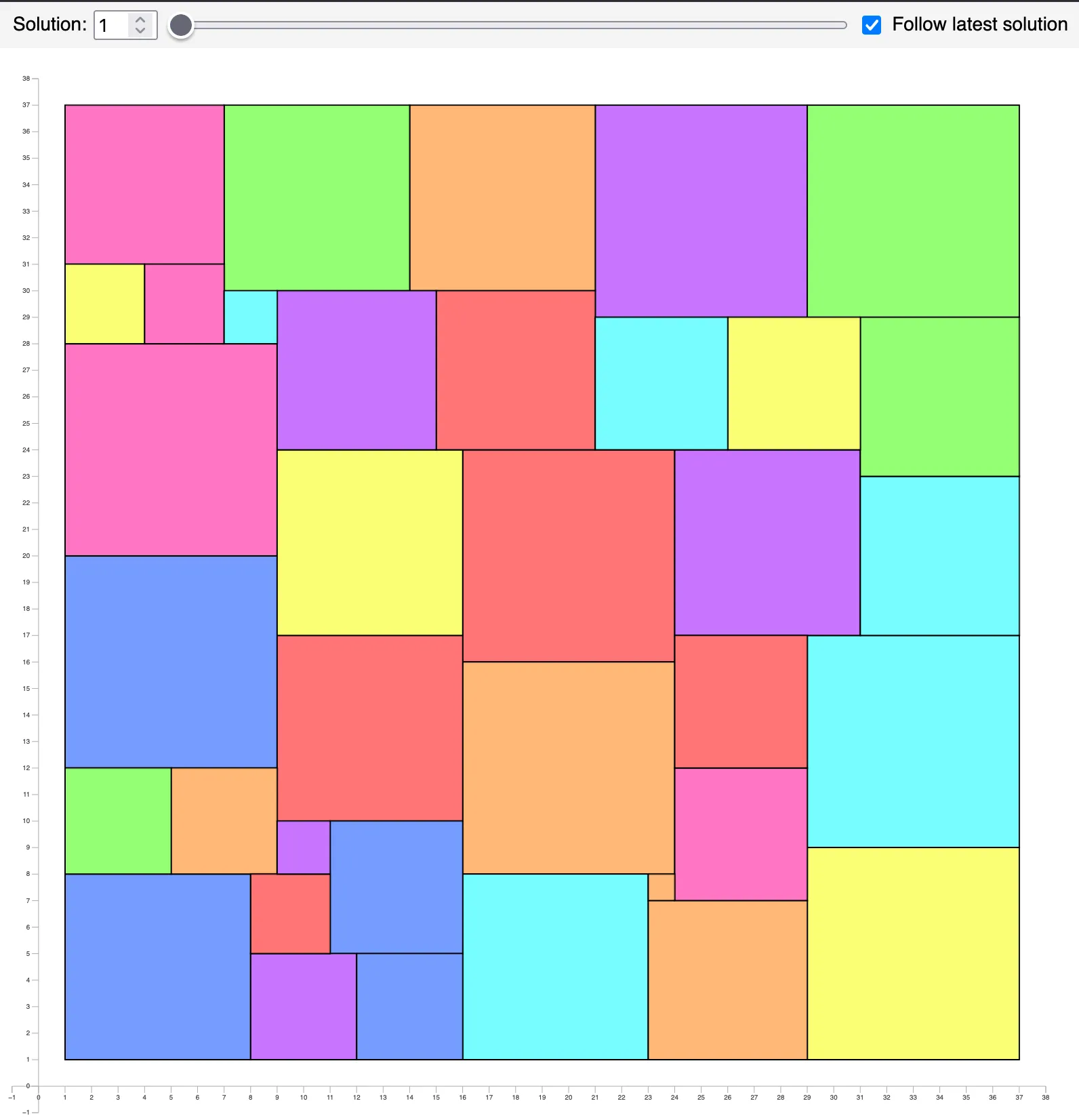
A MiniZinc walk-through of the Partridge Packing Problem: pack one 1×1 square, two 2×2 squares, and so on into a square with exactly the same total area.
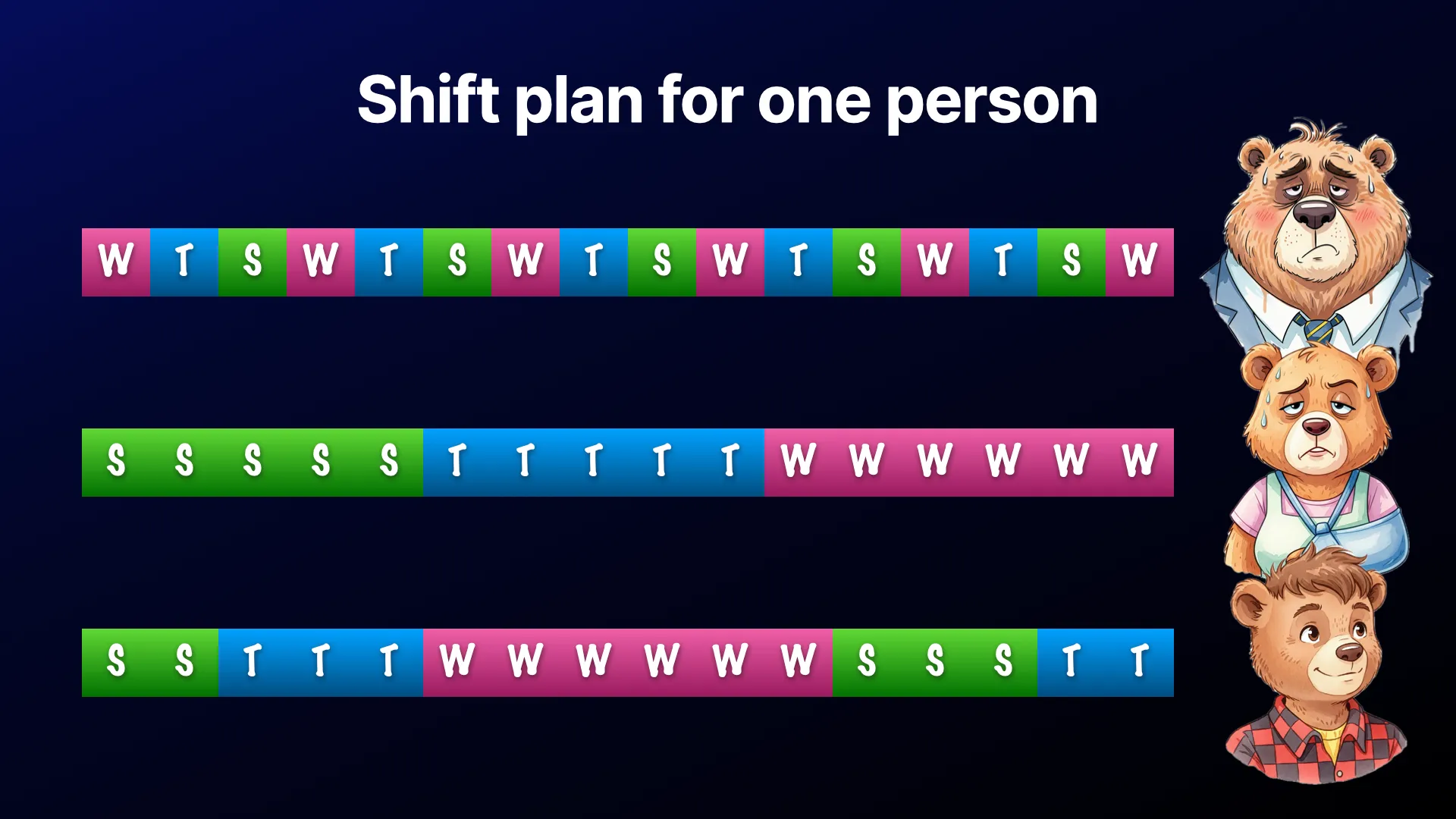
Solving the Rotating Workforce Scheduling problem using MiniZinc.
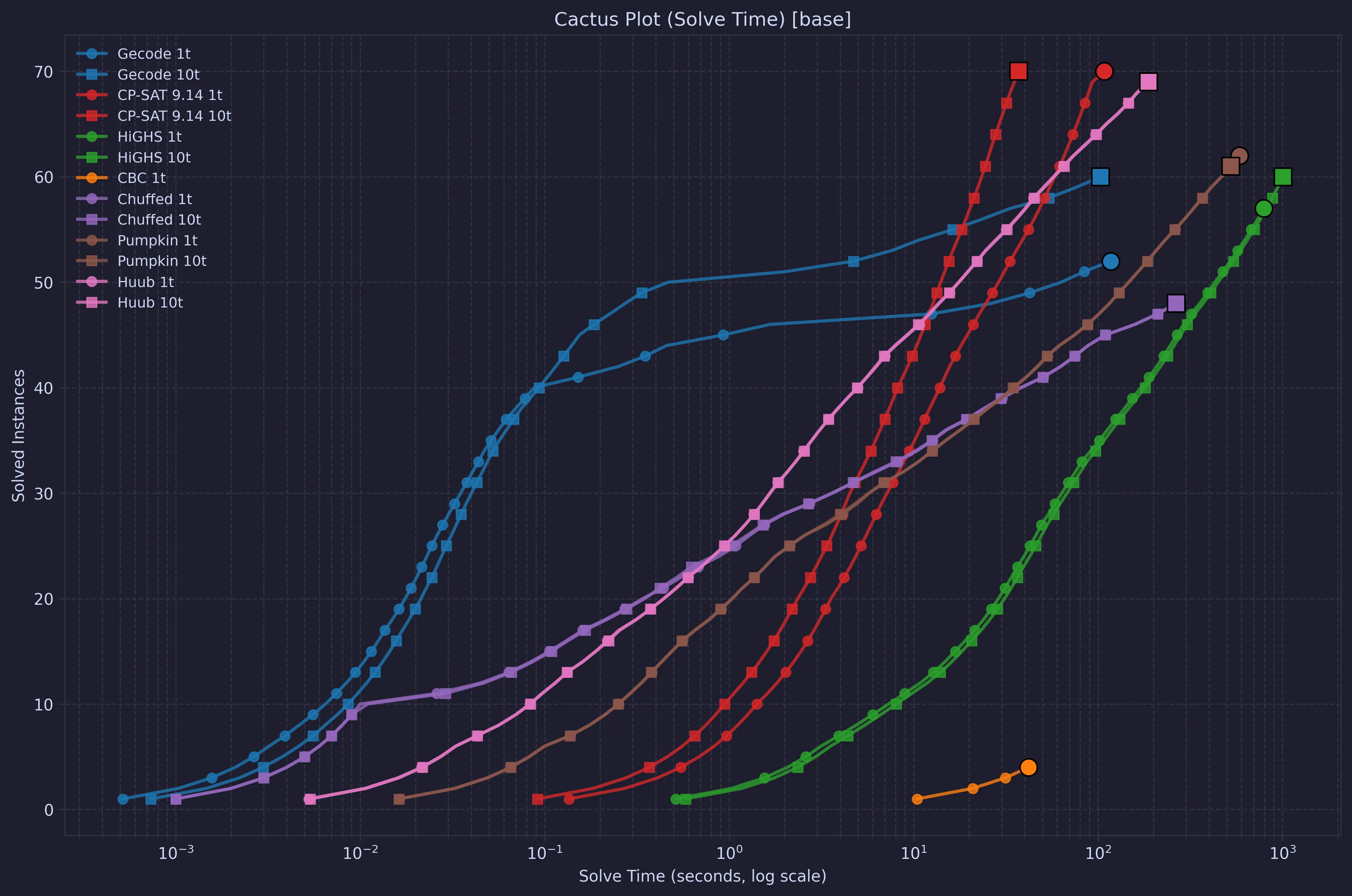
The Work Task Variation Problem, a paper by Mikael Z. Lagerkvist and Magnus Rattfeldt at CP 2025.
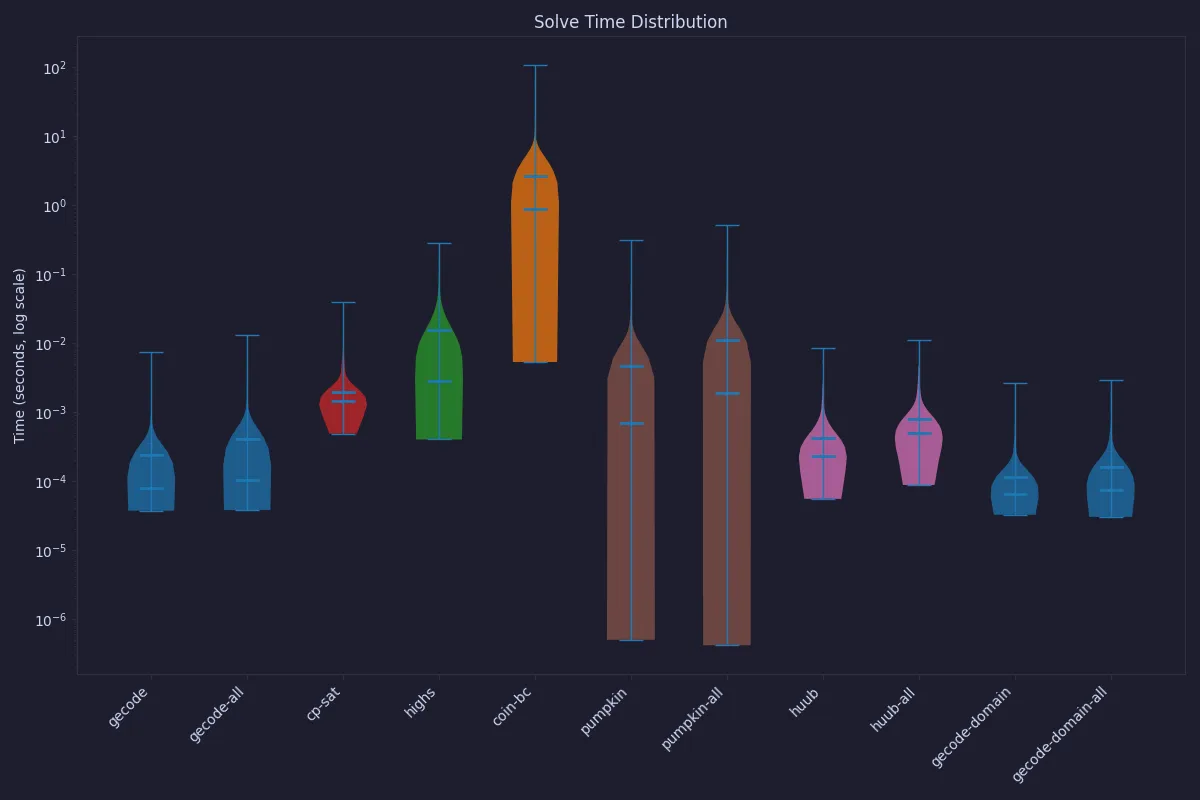
On Benchmarking MiniZinc and the LinkedIn Queens Problem
Solving LinkedIn Queens using MiniZinc